Can You Eat Normally With Implant Supported Dentures?
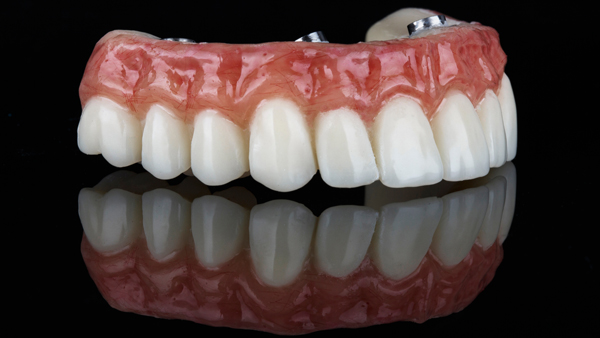
Implant supported dentures stabilize the bite and allow you to enjoy a diverse menu without the constant fear of an appliance slipping out of place. Traditional removable options often slide during meals, causing irritation and limiting nutritional choices. This restoration anchors the prosthetic teeth directly to dental implants for maximum security. Here is everything you need to know to enjoy your favorite foods once again.
Implant-supported dentures enhance stability and chewing power
Conventional dentures, while a great tooth replacement option, rely heavily on natural suction or messy adhesives to remain in place on the gums. This lack of a solid foundation reduces overall chewing force, making hard or fibrous foods difficult to consume. Choosing implant-supported dentures resolves this issue by distributing the mechanical pressure evenly across the jawbone. This structural arrangement mimics the root system of natural teeth, restoring normal biting capacity and allowing patients to chew raw vegetables, lean proteins, and crunchy fruits with ease.
Navigating the initial implant-supported dentures adjustment phase
Although implant-supported dentures offer strength and stability, returning to a normal diet requires a brief adaptation period. The oral muscles and tongue need time to learn how to interact with the new contours of the prosthetic teeth. General dentists often recommend starting with softer foods like eggs, yogurt, and soft grains during the initial weeks.
They also suggest taking small bites and chewing slowly on both sides of the mouth to help prevent accidental cheek biting. Gradually, the mouth adapts to the secure fit, and more challenging items become easier to process.
Implant-supported dentures expand dietary options and nutrition
Regaining a strong bite directly impacts systemic wellness by allowing individuals to diversify their daily nutritional intake. Many people with loose teeth or unstable plates restrict their meals to soft, refined foods that lack vital nutrients. With implant-supported dentures, patients can safely reintroduce healthy options like nuts, steak, and crisp apples into their diets.
This level of freedom eliminates the frustration of selecting menu items solely because of texture. Proper chewing, or breakdown of foods, also aids the digestive tract, improving overall nutrient absorption and physical vitality.
Long-term fit and oral hygiene maintenance for implant-supported dentures
Maintaining a comfortable eating experience depends heavily on routine clinical monitoring and excellent home hygiene. Even though the prosthetic teeth do not decay, the underlying gum tissue and bone require daily cleaning to remain free of infection. Routine dental appointments are still vital, as general dentists verify the alignment of the bite and ensure the attachments stay secure. Minor adjustments over time keep the prosthetic performing at peak efficiency during daily usage. Consistent professional maintenance protects the stability and overall longevity of the implant-supported dentures.
Call us for more information
Eating normally becomes an achievable reality for those who make the switch to a more secure restorative solution. The stability of implant-supported dentures eliminates the embarrassing slipping and clicking sounds common with traditional tooth replacement options. While a short transition period requires patience, the long-term benefits to nutrition and confidence are immense. If you have any additional questions or concerns about your implant-supported dentures, contact our office for more information.
Request an appointment here: https://epicsmile.com or call Epic Smile Newport at (949) 531-6740 for an appointment in our Newport Beach office.
Check out what others are saying about our dental services on Yelp: Implant Supported Dentures in Newport Beach, CA.
Related Posts
Maintaining a robust oral hygiene routine is one of the most effective ways to promote a bright, healthy smile. A general dentist emphasizes the importance of both daily and professional care in maintaining oral health. Here are some helpful tips to help you maintain your smile between dental visits.A general dentist typically recommends brushing at…
An emergency dentist may be necessary. The tissue that makes up your gums does not grow back, so it can be scary in the unlikely event that you get lacerated on your gums. To clarify, a cut that comes from everyday activities such as flossing, brushing your teeth too vigorously, or biting down wrongly on…
Composite veneers can change the visible front surfaces of teeth with tooth-colored resin. This cosmetic treatment may interest people who notice chips, small gaps, uneven edges, or discoloration. A general dentist or cosmetic dentist examines the teeth, gums, bite, and oral health before recommending treatment. That examination helps determine whether composite veneers match the patient’s…
Dental crowns on implants restore the look and function of missing teeth by securing a custom restoration to a medical-grade titanium foundation. Unlike restorations on natural teeth that rely on bonding to enamel, implant restorations connect to the jaw through specialized mechanical components. Selecting the appropriate attachment style is essential for the long-term success of…